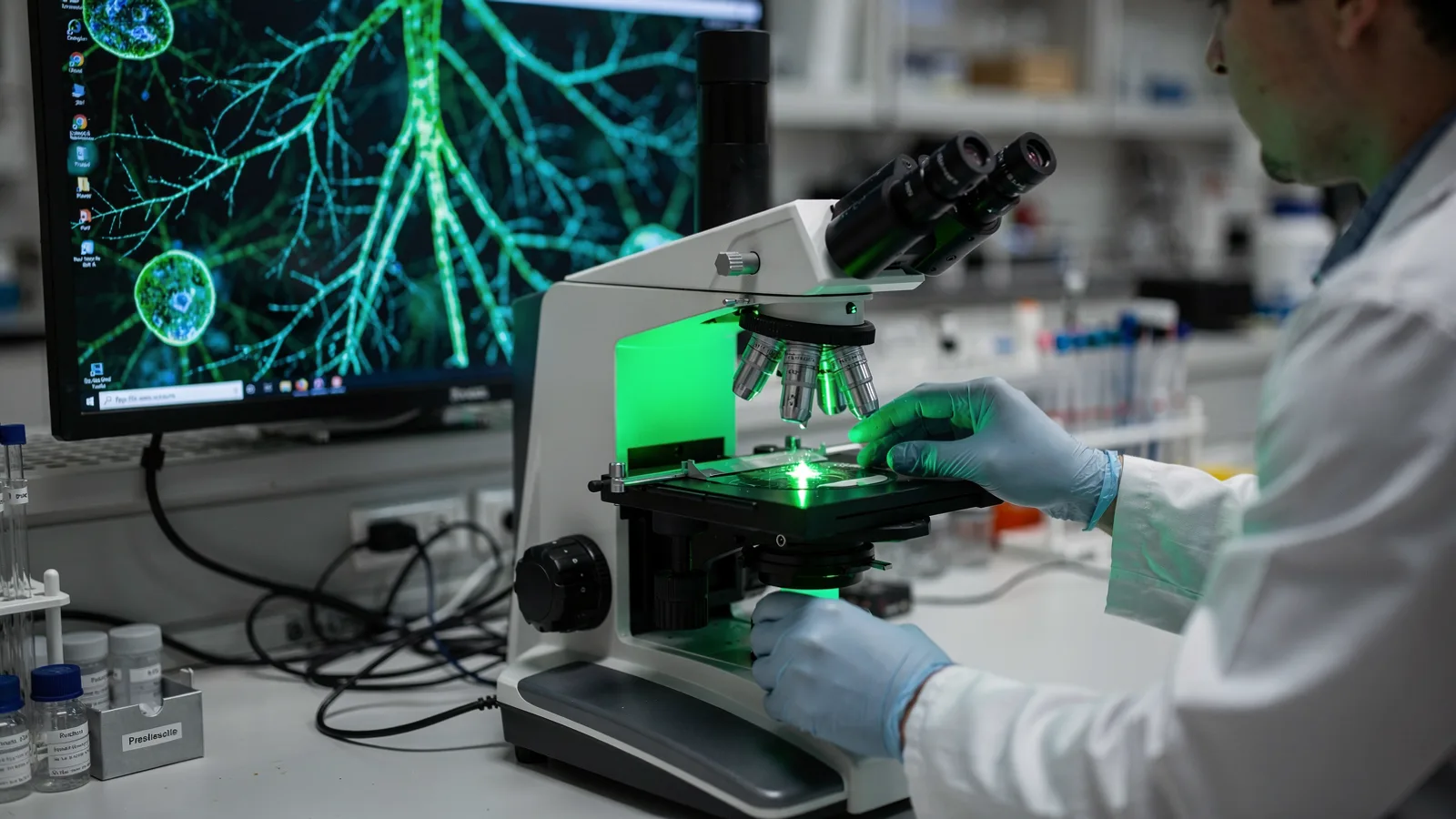
Regrown Bone Keeps Getting Stronger After It Looks Finished
BulletinResearchers found that regrown bone tissue gains mechanical strength for over a week after its shape looks complete.
- 21 daystime to restore general bone structure
- 28-31days local mechanical properties matured
- 1 weekminimum added time for internal maturation
A regenerating bone continues to gain strength and internal stability well after its outer shape appears fully restored, according to a Texas A&M University study of digit-tip tissue published in Acta Biomaterialia.
COLLEGE STATION, Texas (Stratosyn) · In a laboratory investigation at Texas A&M University, researchers discovered that regrown bone continues to gain internal strength long after its physical shape looks completely restored. Dr. Lindsay Dawson and her research team monitored the renewal process in a digit-tip model, examining how localized mechanical performance develops over a multi-week span.
The regenerating bone rebuilt its general structural shape within about 21 days. Even though the tissue appeared complete by standard visual markers, critical localized mechanical traits, including tissue stiffness and responsiveness to physical force, required substantial extra time to mature.
From Fibers to Whole Bone
The study brought together research groups from the College of Veterinary Medicine and Biomedical Sciences and the College of Engineering. Together, the investigators examined the regenerating tissues across multiple physical scales, looking from the perspective of the whole digit down to individual collagen fibers.
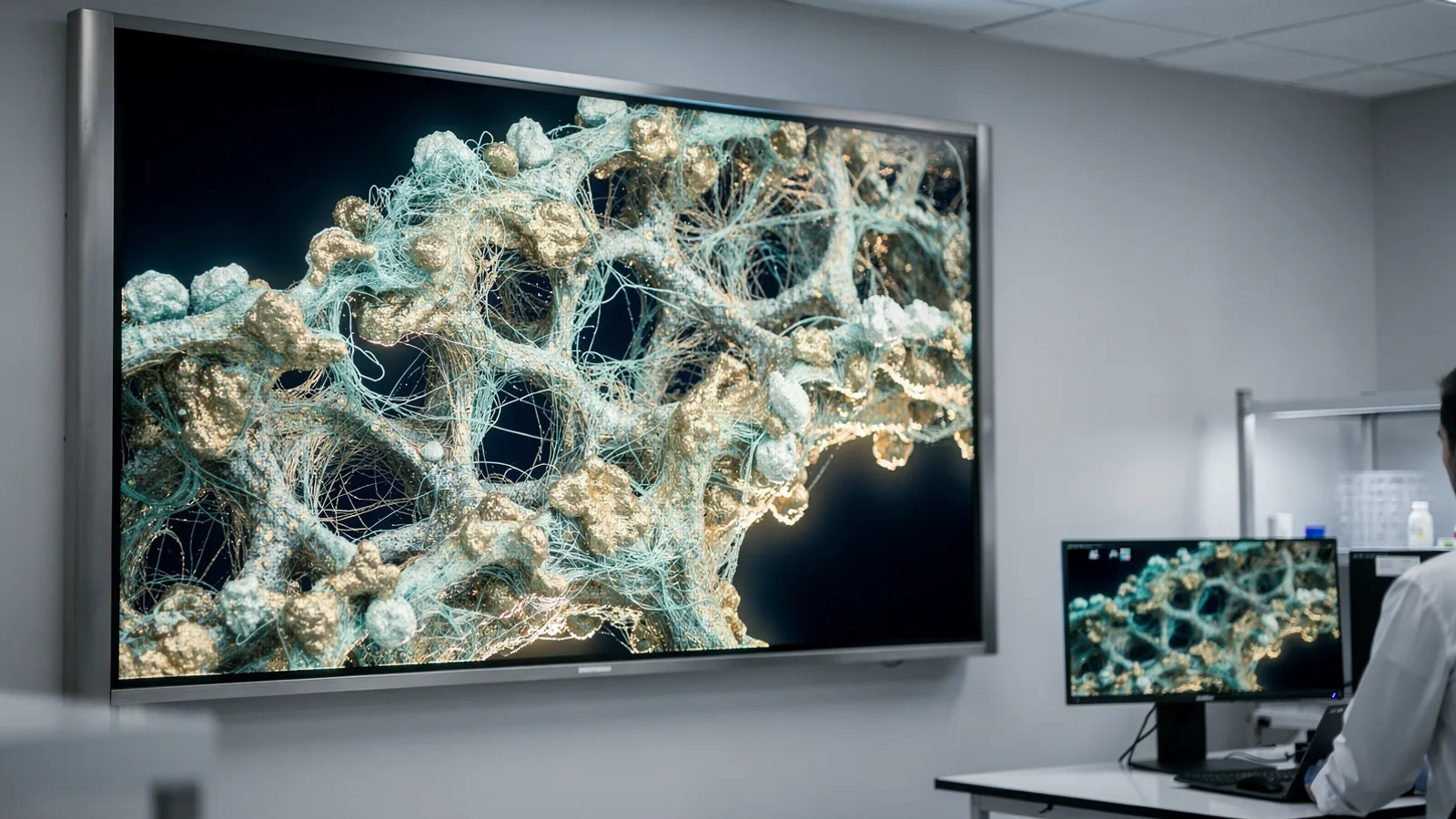
During the observation period, small separate zones of mineralized tissue expanded across the site and fused into solid, continuous bone. Advanced computer models showed that as these solid networks formed, internal stress distribution became far more balanced and even across the entire structure.
Measuring Internal Maturation
Tissue regeneration has often been evaluated by what can be seen from the outside. These laboratory measurements demonstrated that key mechanical properties kept developing beneath the surface for at least another week, continuing steadily through days 28 to 31.
Published in the journal Acta Biomaterialia, the research provides one of the most detailed multiscale views of tissue regeneration compiled by scientists. The results demonstrate that structural appearance and load-bearing competence progress on different timelines during natural bone renewal.
This bulletin is based on reporting and materials from Texas A&M VMBS, rewritten in our own words.