Roman Space Telescope Lines Up Its Instruments for Science
BulletinNASA aligned the Nancy Grace Roman Space Telescope instruments, preparing the observatory for upcoming deep-space science operations.
- 10 timesmore stable than Hubble or Webb
- 30%sharper images than originally expected
- 2 timeslonger operational lifespan expected
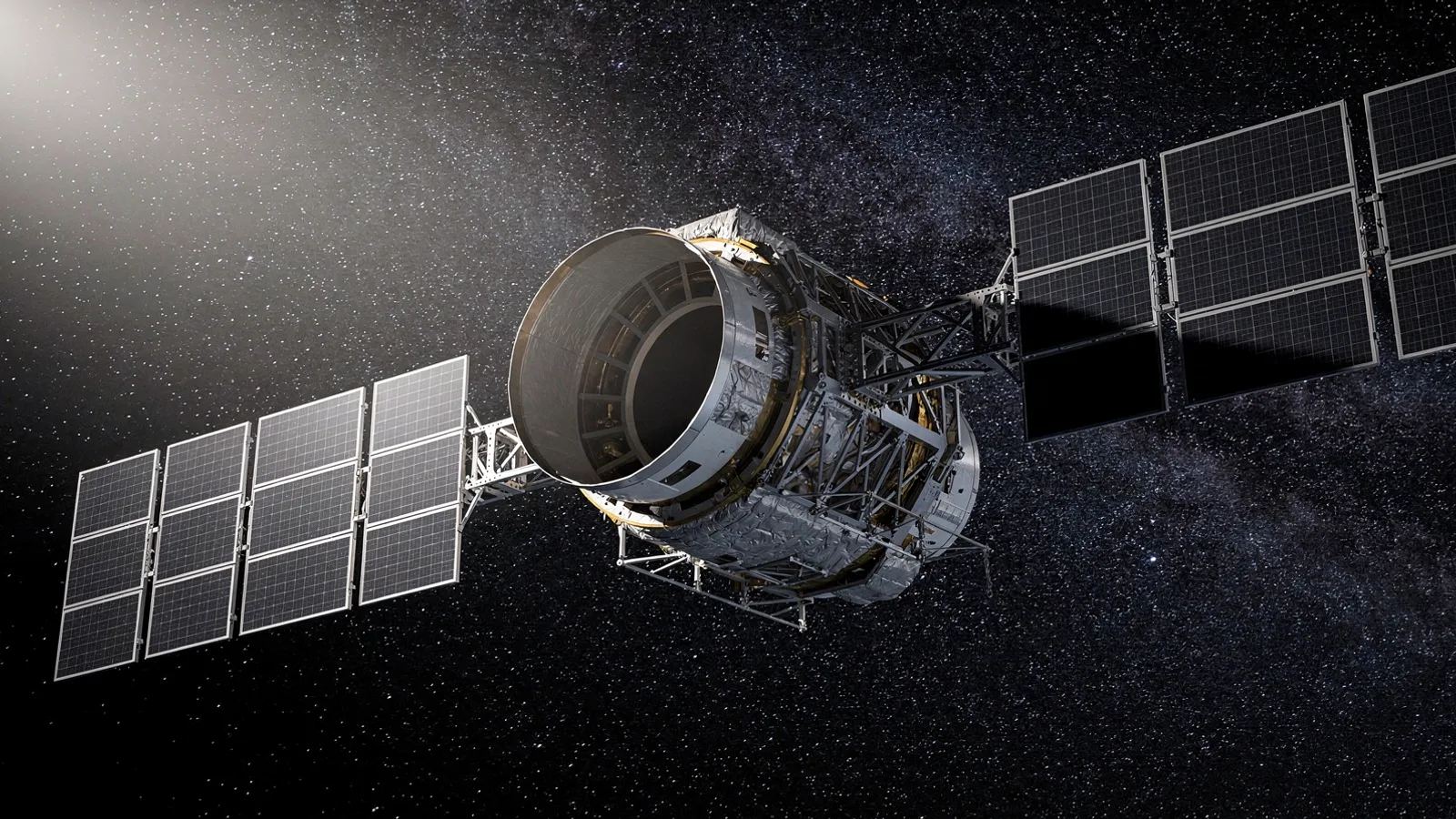
NASA has successfully brought the scientific instruments on the Nancy Grace Roman Space Telescope into precise alignment, marking an essential milestone that moves the newly launched observatory closer to regular research operations.
GREENBELT, Md. (Stratosyn) · Engineers at NASA Goddard have completed the delicate work of adjusting the Nancy Grace Roman Space Telescope optics following its launch in August 2026. While technicians aligned the optical systems on the ground before flight, launch vibrations, changing thermal conditions, and the absence of gravity produced small shifts in the structure.
To resolve these physical changes, the flight team conducted test observations of selected stars across the sky. By comparing the observed positions of these stars with their expected locations, engineers updated the observatory's internal map. This update ensures that light from celestial targets falls directly onto the Wide Field Instrument's detectors as designed.
Meeting strict stability goals
Dominic Benford, a program scientist at NASA Headquarters, explained that Roman must be at least ten times more stable than the Hubble or Webb space telescopes. Maintaining that extreme balance allows the observatory to take advantage of its broad visual reach without sacrificing precision.
Benford explained that the telescope's scientific power comes from how wide a view it delivers alongside exceptionally small measurement uncertainties. Central to this capability is the Wide Field Instrument, which functions as both the primary scientific instrument and the guider that keeps Roman locked onto targets.
Sharper images and longer life
The alignment milestone builds on encouraging estimates for the spacecraft's ultimate optical clarity and operating endurance. According to a report by Live Science on Nov. 11, Roman could capture images about 30 percent sharper than mission planners initially expected.
The assessment also indicated that the observatory may operate about twice as long as teams originally planned. With its instruments properly aligned in orbit, Roman moves another step closer to beginning its scheduled scientific observations.
This bulletin is based on reporting and materials from NASA Science, rewritten in our own words.