Hubble Sends Roman a Sampler of Cosmic Lenses
BulletinHubble has imaged gravitational lenses found at Kitt Peak to prepare targets for future observations by Roman.
- Firstdetection made with the DESI instrument
- Pairduplicated arcs of background galaxy
- Pairforeground galaxies that bend light
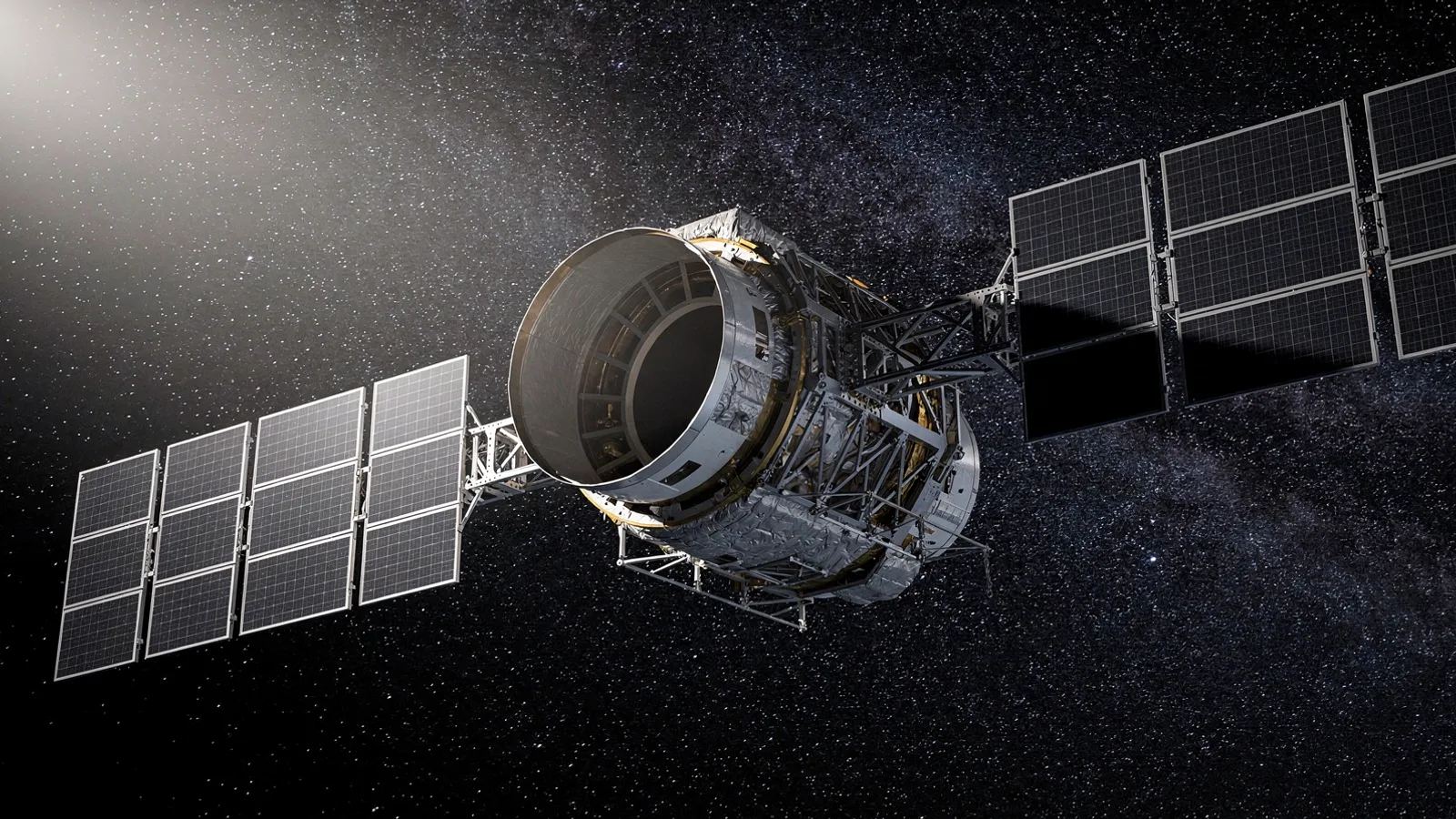
Astronomers released a gallery of strong gravitational lenses captured by Hubble, showcasing the natural phenomenon and preparing targets for future observations by the Roman space telescope, according to NASA Science.
TUCSON, Ariz. (Stratosyn) · The Hubble Space Telescope has released a new gallery of strong gravitational lenses, demonstrating the wide diversity of the natural phenomenon. The release establishes essential groundwork for follow-up investigations by the future Roman space telescope, according to NASA Science. These cosmic lenses were first detected using the Dark Energy Spectroscopic Instrument at Kitt Peak, Arizona.
Following the initial detections at Kitt Peak, Hubble observed the systems to provide sharp examinations of each target. The sequence of observations sets the stage for Roman, which will follow Hubble by conducting broader studies of these gravitational structures.
Modeling Cosmic Mass
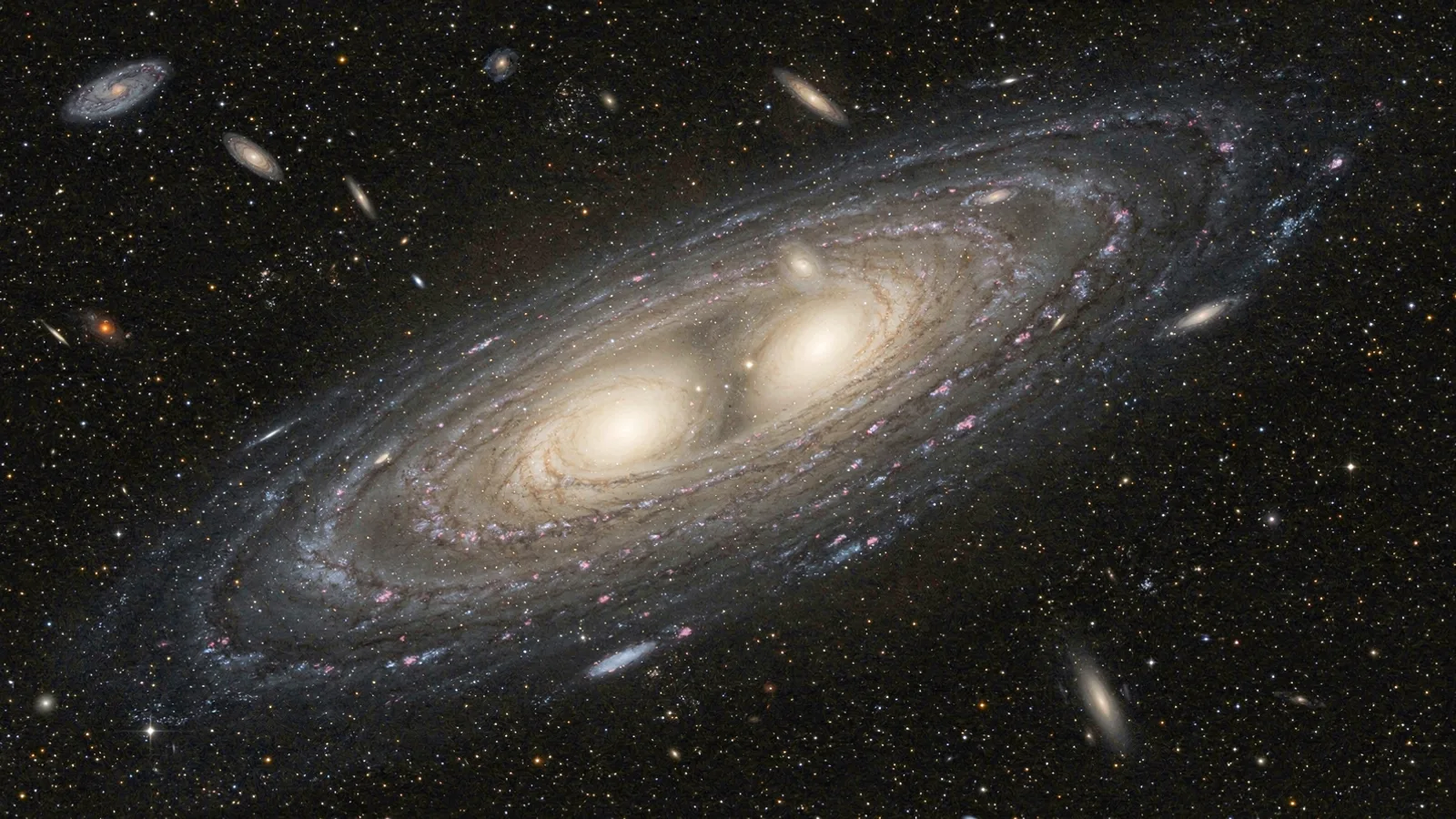
Astronomers will use the gravitational lenses to study both the evolution of galaxies and the nature of dark matter. By examining how light is deflected, researchers can gain insights into how massive structures develop and change over cosmic time.
To analyze the systems, astronomers build detailed lens models. These scientific models allow researchers to calculate the precise amount of mass contained within the lensing galaxies responsible for bending the traveling light.
Arc-Counterarc Alignments
Among the diverse examples in the gallery is an arc-counterarc configuration. In this particular arrangement, a single background galaxy appears distorted into a duplicated pair of sweeping arcs across the field of view.
The background galaxy is magnified by a pair of foreground galaxies located between the distant object and the observer. The combined mass of these foreground galaxies bends the light of the background galaxy, creating the duplicated visual effect.
Comparing Hubble and Roman
The project relies on the differing observational strengths of each telescope involved. Hubble sees mainly in visible and ultraviolet light, which allows it to provide exceptionally sharp views of individual cosmic objects.
In contrast, Roman will see mainly in infrared light across a significantly larger field of view. Because of this expansive coverage, Roman will be able to capture far more gravitational lenses as it carries forward the observations started by DESI and Hubble.
This bulletin is based on reporting and materials from NASA Science, rewritten in our own words.